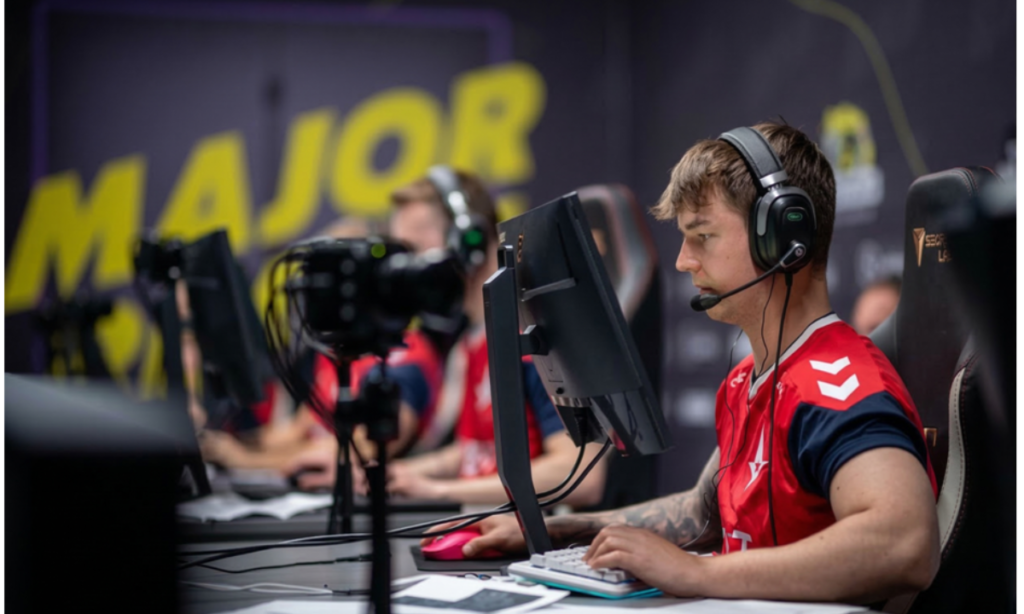

Germany has had a serious gaming culture for decades. That part is not new. What has changed is the direction that culture is moving in. Competitive titles are being watched differently now. Audiences are not just playing these games — they are following teams, tracking rosters, and analysing tournament brackets the same way football fans read the Bundesliga table.
Betting followed naturally. Europe accounts for over 30% of global esports betting activity, and Germany sits alongside the UK as one of the primary drivers. That is not a coincidence and it is not a blip. It reflects something structural about how Germany’s gaming culture has matured.
What’s Driving the Growth of Esports Betting in Germany
The audience was already there. That is the simplest way to put it. Germany has millions of active gamers, a deep PC gaming history, and a generation that grew up watching League of Legends and CS:GO at the same intensity their parents watched football. Esports betting in Germany did not need to manufacture an audience from scratch. It just needed the infrastructure to catch up.
And it has. Mobile-first platforms, live in-play markets, and real-time odds across titles like Valorant, Dota 2, and PUBG have made the whole experience far more accessible than it was even three years ago. Nearly 60% of esports bettors globally now engage via mobile. German users track that pattern closely. The barrier to entry is low and it keeps getting lower.
The Regulatory Landscape and What It Means for Bettors
Germany’s gambling regulations are among the most structured in Europe. The Interstate Treaty on Gambling, which came into effect in 2021, opened the door for licensed online sports betting and gave operators and bettors a clearer legal framework to work within. More licensed platforms means more competition. More competition means better odds, broader markets, and stronger consumer protections.
Esports sits in an interesting position within that framework. The legal classification of esports as a sport is still being debated in Germany, but the direction of travel is clear. The IOC’s announcement that the first Olympic Esports Games will take place in 2027 has added serious weight to that conversation. For now, betting on esports in Germany operates under sports betting licences. Legal, regulated, and growing.
Germany’s gambling regulator, the GGL, reported that gambling tax revenues rose to around 7 billion euros in 2024. Enforcement against unlicensed operators has intensified. That is a signal that the regulated market is being taken seriously, which is genuinely good news for anyone using licensed platforms.
Why Germany Specifically Stands Out in European Esports Betting
The German esports market was valued at around $125 million in 2024 and is projected to reach $300.3 million by 2030, growing at roughly 15.3% annually. That is a substantial base to build a betting market on, and it is one of the reasons German esports betting tournaments attract serious operators rather than just casual platforms.
Germany’s central location in Europe also makes it a natural hub for major international events. When a significant CS2 or Valorant tournament lands in Berlin or Cologne, betting volumes across German platforms spike. The live event calendar feeds the betting market in ways that do not happen as consistently in smaller markets.
Strong Esports Infrastructure
Germany has domestic leagues, established team organisations, and a media ecosystem that covers competitive gaming with genuine depth. That matters for bettors. A Germany esports betting guide built around local knowledge carries real weight here because the data is actually there to work with.
Teams competing in regional leagues have trackable performance records. Rosters get covered by dedicated esports journalists. Patch notes and meta shifts get analysed before major tournaments. That kind of accessible, detailed information is what separates a considered bet from a coin flip.
High Internet Penetration and Mobile Adoption
Germany has one of the highest broadband penetration rates in Europe. That infrastructure supports both the streaming culture that drives esports viewership and the mobile betting platforms that handle most of the actual wager volume. The two feed each other directly.
A viewer who watches a tournament live and bets on the outcome in-play via mobile is the core user profile driving this market. Germany has millions of people who fit that profile, and the platform quality to support them.
What to Look for When Betting on Esports in Germany
Not every platform that accepts betting on esports in Germany is built the same. Market depth varies significantly across titles, and the difference between a strong platform and a basic one shows up fast once you are actually trying to bet on something specific.
- Title coverage: A solid platform covers at least the top five competitive titles. CS2, Valorant, League of Legends, Dota 2, PUBG. Anything less and you are working with gaps.
- Live betting options: In-play markets are where informed bettors find the most value. Real-time odds that update during matches, not just pre-match lines.
- Licensing: Any platform used for esports betting in Germany should hold a valid licence under the current Interstate Treaty framework. Non-negotiable.
- Competitive odds: Margins on esports markets vary more than traditional sports. Checking odds across two or three platforms before placing a bet consistently pays off.
A licensed platform with genuine esports depth is the foundation. The rest is research.
Wrapping it up
The conditions have been building for a while and they are aligning now. Large gaming audience. Regulatory framework moving toward clarity. A growing number of licensed operators are competing seriously for market share. A global esports calendar that gives bettors consistent events to follow month after month.
The esports betting in Germany market right now offers more options, better platforms, and more competitive odds than at any point before. That reflects how seriously Germany is taking competitive gaming as both a sport and a betting category. The infrastructure is there, the audience is there, and the regulatory environment is finally catching up. Where it goes from here is worth watching.