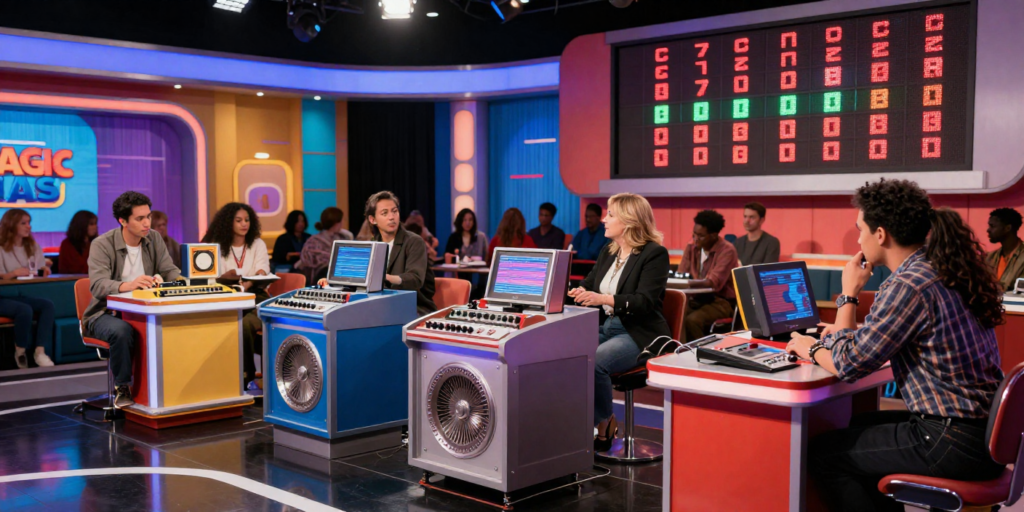

Game shows first captured audiences on the radio, but when television emerged in the 1940s and 1950s, the format found its perfect stage. Suspense became easier to feel when viewers could see the action unfold, and the appeal was inherently interactive, as people at home tried to solve puzzles and answer questions before the big reveal.
That same energy lives on in today’s interactive games. Players no longer just imagine participation from the couch; they tap answers, make choices, and see results instantly on phones or computers. The format still relies on simple rules and dramatic reveals, but engagement is now immediate and hands-on.
Key Drivers Of The Interactive Comeback
Game shows never stopped being fun, but the way people enjoy them has changed. Instead of only watching contestants compete on TV, audiences now have more chances to join in through phones, streaming, and social platforms. To understand why classic formats are thriving again, it helps to examine the main forces driving this interactive shift.
Game Shows Enter The iGaming Era
Game show formats have started appearing in iGaming because their structure fits betting-style play so well. They are built around clear rules, quick rounds, and high-tension reveals, keeping players engaged without requiring long tutorials. The most adaptable formats are the ones driven by simple decisions, visible odds, and instant outcomes.
Familiar brands are often reshaped into casino-friendly experiences designed for repeated play. A great example is Wheel Of Fortune Triple Extreme AIG, which takes the well-known wheel concept and prize-style pacing and adapts it into a fast-paced digital game. The result captures the excitement of the game show while putting players in control of the action, letting them play the core mechanic on demand rather than just watching a broadcast.
Nostalgia-Driven Digital Adaptation
Modern versions of older games keep the familiar look while improving gameplay. Titles like Concentration and Lingo have been updated for PC and mobile, often with refreshed puzzles and smoother controls. That makes them approachable for new players without losing what fans remember.
Being downloadable also helps them reach more people. Players can find them in the same places they already get games, then jump in for quick sessions. Nostalgia draws attention, but solid design is what keeps people playing.
Classroom And Social Engagement
Group trivia platforms make game-show-style competition easy to run, anywhere. Tools like Kahoot use timers, points, and leaderboards to create the same pressure and payoff people love in TV game shows. Everyone plays at once, so the whole room becomes the cast.
This matters because it shows the format is portable. You do not need a studio, big prizes, or celebrities to create excitement. When people play together, the audience and contestants are basically the same group.
Play-Along Technology
Second-screen apps turn “playing from the couch” into real participation. In shows like The 1% Club, viewers can use a mobile app to answer the same questions at the same time as the contestants. That timing makes it feel like you are part of the game, even while watching at home.
This approach also works at a vast scale. Millions of people can join in without changing the show’s pace. The app keeps your score, and the broadcast stays the main event everyone reacts to together.
Notable Revivals
Classic game shows keep resurfacing in new places because their formats are easy to recognize and adapt. Some return as updated TV seasons, while others appear as mobile games, console titles, or interactive live experiences that borrow the same rules and rhythms. Here are notable examples:
- Jeopardy! in modern app and console versions that keep the board format and timed recall challenge,
- Family Feud as digital party game and mobile editions built around quick survey-style guesses,
- Who Wants to Be a Millionaire? has mobile and console adaptations that preserve lifelines and step up the tension,
- Weakest Link in updated TV runs and digital trivia versions that lean on elimination drama,
- Press Your Luck is returning with modern episodes and game adaptations centered on risk and the “Whammy” mechanic,
- The Price Is Right as video game editions that recreate classic pricing games for solo or group play,
- Cash Cab in app style trivia formats that copy the fast, on-the-move question pacing,
- HQ Trivia, a mobile-first live quiz model that helped popularize real-time, mass-participation trivia again.
Why This Moment Works
Interactive game shows deliver quick satisfaction because they compress challenge, choice, and payoff into minutes. They also create low-pressure competition that feels fun even when you lose, because the cost of failure is usually just a laugh and a better guess next time. That makes the format easy to return to, especially when the experience tracks progress like streaks, rankings, or personal bests.
They also work because participation feels social, even when people are not in the same room. Group play in classrooms and offices, real-time app play-along, and streaming chat culture all create shared moments that people can compare immediately. When entertainment becomes something you do together, game show design fits perfectly because it is built to spark reaction and conversation.
The Future of Interactive Game Shows
As technology continues to improve, more game shows are enabling viewers to play along in real time. Joining a game will become easier than ever, with more live events, interactive features, and ways to compete with friends or other players online. Game-show-style mechanics are also finding their way into classrooms, training programs, and workplaces, turning participation into a normal, expected part of learning and entertainment.
Over time, the line between watching and playing will continue to blur. As audiences grow accustomed to engaging directly with content, both traditional game shows and digital adaptations will evolve, creating experiences where participation is as essential as viewing. The result is a future where shows and games feel increasingly alike; immersive, dynamic, and designed for active players.