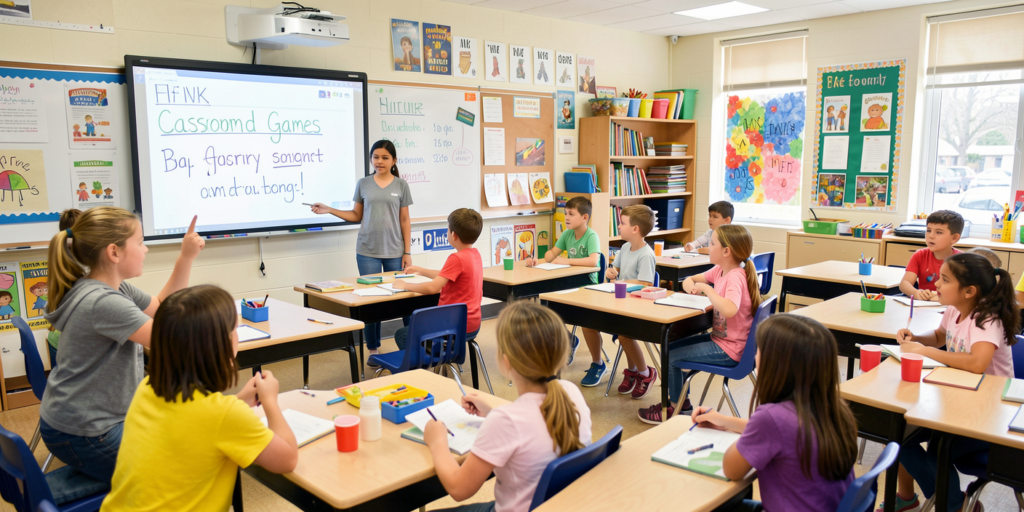

ClassroomGames are interactive activities designed to make learning both fun and meaningful for students. They go beyond traditional lectures by incorporating challenges, rules, and goals that actively engage learners. Whether used in math, science, language, or history, it turns abstract concepts into hands-on experiences. These games encourage teamwork, critical thinking, and creativity while keeping students motivated.
What Are ClassroomGames?
It is interactive activities designed to make learning fun, engaging, and memorable. Unlike traditional lessons, it incorporates rules, goals, and teamwork to encourage students to actively participate. They can be physical activities, quizzes, problem-solving challenges, or even digital tools, all aimed at reinforcing learning objectives while keeping students motivated and interested.
Why Games Make Learning Fun and Effective
It makes learning enjoyable because they turn students into active learners. Through gameplay, students receive immediate feedback, practice decision-making, and engage with lessons in a hands-on way. This combination of fun and education increases understanding, retention, and enthusiasm for learning, making even complex topics easier to grasp.
Benefits of ClassroomGames for Students
It naturally captures students’ attention and encourages them to participate. Games introduce challenges and rewards that motivate students to actively contribute, ask questions, and stay focused during lessons.
Enhance Critical Thinking and Creativity
Many require students to solve problems, make decisions, or think strategically. These activities promote creative thinking and help students develop critical reasoning skills that are essential for both academic success and real-life situations.
Improve Teamwork and Collaboration
Team-based it encourages students to work together toward common goals. Students practice communication, role-sharing, and collaborative problem-solving, which strengthens social skills and fosters a sense of classroom community.
Make Lessons Memorable and Enjoyable
Games transform abstract concepts into tangible experiences, making learning more memorable. Students are more likely to retain information when they are emotionally and mentally involved, and it creates a fun and positive environment that makes learning enjoyable.
Types of ClassroomGames
Educational Games – Math, Science, Language, History
Education is designed to support specific subjects. Math games, such as bingo or Jeopardy, reinforce arithmetic and problem-solving. Science quizzes and experiments help students apply concepts actively. Language games, including spelling bees and vocabulary challenges, improve literacy.
Teamwork and Group Games – Activities that Encourage Collaboration
Team-based games such as group puzzles, storytelling challenges, or role-playing exercises help students collaborate, negotiate, and share ideas. These activities strengthen communication skills and teach students the importance of working effectively in groups.
Quick & Fun Games – 5–10 Minute Energizers
Short ClassroomGames can energize students and refocus their attention between lessons. Activities like word chains, flash quizzes, or quick math challenges are perfect for a few minutes of engagement while keeping students mentally active.
Online or Virtual Games – For Remote or Hybrid Learning
Digital it offers interactive experiences for virtual or hybrid classrooms. Online quizzes, interactive challenges, and gamified learning apps allow students to participate from anywhere while reinforcing lesson content in an engaging way.
Fun ClassroomGames Ideas
Math Games – Bingo, Jeopardy, Problem-Solving Races
Math makes numbers exciting. Math bingo reinforces arithmetic, Jeopardy-style review games test knowledge creatively, and problem-solving races challenge students to think quickly and accurately.
Language Games – Spelling Bees, Vocabulary Challenges
Language helps students enhance literacy skills. Spelling bees test vocabulary recall, while word puzzles and vocabulary races encourage quick thinking and language mastery.
Science Games – Quiz Races, Experiments as Challenges
Science makes concepts tangible. Quiz races, scavenger hunts, and hands-on experiments allow students to explore ideas actively while competing or collaborating, making science learning both fun and practical.
History & Social Studies Games – Timeline Games, Trivia
History turns memorization into an interactive experience. Timeline games, trivia challenges, and role-playing historical events help students recall dates, facts, and contexts more effectively while fostering teamwork.
How to Organize ClassroomGames
Successful ClassroomGames begin with clear objectives. Teachers should align each game with specific learning goals, prepare materials in advance, and test the game to anticipate any classroom challenges.
Managing Time and Space in the Classroom
Allocate dedicated time for games and arrange classroom spaces to support participation. Clear boundaries, organized materials, and structured instructions prevent distractions and ensure smooth gameplay.
Rules and Instructions for Smooth Gameplay
Simple, clear instructions help students understand the game quickly. Demonstrating examples and assigning roles ensures that everyone can participate effectively, keeping the focus on learning outcomes.
DIY ClassroomGames
DIY it can use everyday classroom items like flashcards, dice, or sticky notes. Simple games such as trivia wheels or card-matching activities can be adapted for any subject.
Using Everyday Items for Fun Learning Activities
Everyday items like puzzles, colored cards, or beanbags can transform simple activities into engaging learning experiences. These tactile games support active learning and creativity.
Encouraging Student Participation in Game Creation
Allowing students to co-create games increases engagement and ownership of learning. Students can design rules, challenges, or puzzles, which boosts creativity and strengthens critical thinking.
Online It for Remote Learning
Platforms like interactive quiz apps or gamified learning tools allow teachers to conduct engaging it online. Students can participate, compete, and learn simultaneously, regardless of their location.
Interactive Online Quizzes and Competitions
Virtual quizzes and competitions provide instant feedback and motivation. Leaderboards and timed challenges encourage effort and participation, making online learning interactive and fun.
Tips for Making ClassroomGames Effective
Simple instructions are essential for it because complicated rules can confuse students and reduce engagement. Clear, step-by-step directions help students understand what is expected and allow them to focus on the learning goals.
Balance Fun and Learning Objectives
ClassroomGames should always strike a balance between enjoyment and educational value. While fun activities motivate students, the game must be designed to reinforce lesson objectives and strengthen understanding.
Encourage Participation from All Students
To maximize the impact of it, every student should have a chance to contribute. Incorporating mixed-ability teams, rotating roles, and inclusive game rules ensures that shy or less confident students stay engaged.
Use Games to Reinforce Lesson Topics
It is most effective when directly connected to lesson content. Games can serve as review exercises, applied practice, or creative ways to explore concepts.
Final Verdict
ClassroomGames are a powerful tool for modern education. They transform lessons into engaging experiences, boost participation, encourage critical thinking, and strengthen collaboration. When used thoughtfully, it makes learning fun, interactive, and memorable — helping students not only understand content but also develop essential skills for life.