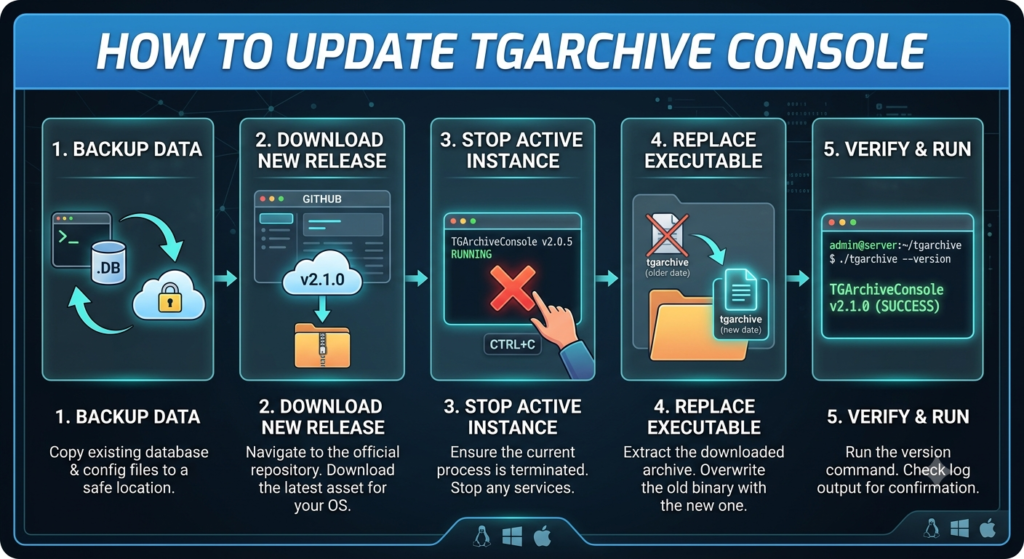

Keeping software up to date is one of the simplest ways to improve performance, security, and reliability. If you’re searching for how to update TGArchiveConsole, you’re likely looking for a clear, beginner-friendly guide that explains the process without unnecessary technical jargon. Whether you’re installing an update for the first time or simply want to make sure you’re using the latest version, we will walk you through everything you need to know.
Learning how to update TGArchiveConsole correctly helps reduce compatibility issues, fixes known bugs, and ensures you can take advantage of the latest improvements. Updating software isn’t just about getting new features—it also helps protect your system from security vulnerabilities and keeps the application running smoothly.
What Is TGArchiveConsole?
TGArchiveConsole is a console-based utility designed to help users manage, archive, or process specific types of data through a command-line interface. Depending on the version and implementation you’re using, it may include features for data organization, automation, exporting information, and managing archived content efficiently.
Unlike graphical applications, console tools are often preferred by advanced users and system administrators because they are lightweight, scriptable, and can automate repetitive tasks. However, these tools also require regular maintenance to ensure they remain compatible with newer operating systems and related software components.
If you’ve been wondering how to update TGArchiveConsole, it’s important to understand that updates often include much more than cosmetic improvements. Developers regularly release updates to improve stability, resolve reported bugs, optimize performance, and introduce new functionality.
Key Features of TGArchiveConsole
Some common capabilities may include:
- Command-line operation for faster workflows
- Archive management and organization
- Data export and backup options
- Automation through scripts
- Lightweight resource usage
- Compatibility with multiple environments
- Continuous feature improvements through updates
Why Updates Matter
Many users postpone software updates because everything appears to be working normally. Unfortunately, outdated software can gradually become less reliable, less secure, and incompatible with newer operating systems or related tools.
Understanding how to update TGArchiveConsole helps you avoid these problems before they occur.
Improved Security: Software updates frequently contain security patches that protect against newly discovered vulnerabilities. Running an outdated version may expose your system to unnecessary risks.
Better Performance: Developers regularly optimize software to reduce loading times, improve responsiveness, and lower resource consumption. Updating can noticeably improve overall performance.
Bug Fixes: No software is completely free of bugs. Updates often resolve crashes, unexpected errors, installation problems, and other issues reported by users.
New Features: Many updates introduce additional functionality, usability improvements, and workflow enhancements that make everyday tasks easier.
Improved Compatibility: Operating systems, libraries, and dependencies continue evolving. Updating TGArchiveConsole helps ensure compatibility with newer environments and related software.
Quick Answer: How to Update TGArchiveConsole
If you’re looking for the fastest explanation of it, follow these basic steps:
- Check your current TGArchiveConsole version.
- Back up any important configuration files or archived data.
- Download the latest available release from the official source.
- Verify the downloaded package if checksums or signatures are provided.
- Install or replace the existing version following the project’s instructions.
- Restart the application or terminal session.
- Confirm that the new version is installed correctly by checking the version number.
- Test your normal workflow to ensure everything functions as expected.
Before You Update TGArchiveConsole
Preparation is an important part of any software update. Spending a few minutes checking your environment can prevent installation failures and data loss.
Check Your Current Version
Before updating, identify the version currently installed on your system. This helps determine whether an update is necessary and makes troubleshooting easier if any issues occur later.
Create a Backup
Although updates usually preserve existing files and settings, creating a backup is always recommended. Save copies of:
- Configuration files
- Archive data
- Scripts
- Custom settings
- Important project files
Review System Requirements
Verify that your operating system meets the requirements for the latest version. Some updates may require newer dependencies or supported system versions.
Download from Trusted Sources
Always obtain updates from the official project website, repository, or trusted distribution channel. Avoid downloading installers from unknown websites, as they may contain outdated or modified files.
Close Running Sessions
If TGArchiveConsole is currently processing files or running automated tasks, stop those processes before beginning the update. This helps avoid file conflicts during installation.
Read the Release Notes
Release notes explain what’s new, which bugs were fixed, known limitations, and whether any manual migration steps are required. Reviewing them beforehand can save significant troubleshooting time.
TGArchiveConsole Update Preparation Checklist
| Task | Purpose | Recommended |
| Check current version | Confirm whether an update is needed | ✔ Yes |
| Back up important files | Prevent accidental data loss | ✔ Yes |
| Review system requirements | Ensure compatibility | ✔ Yes |
| Download from an official source | Improve security and reliability | ✔ Yes |
| Verify downloaded files | Confirm file integrity | ✔ Recommended |
| Close running applications | Prevent installation conflicts | ✔ Yes |
| Read release notes | Understand new changes | ✔ Recommended |
| Restart after installation | Apply updates completely | ✔ Yes |
Step-by-Step Guide on How to Update TGArchiveConsole
Now that you’ve prepared your system, it’s time to learn how to update TGArchiveConsole safely and efficiently. While the exact installation process may differ depending on your operating system or how the tool was originally installed, the following steps reflect the standard workflow used for most software updates.
Step 1: Check for the Latest Version
Before downloading anything, confirm that a newer version is available. Compare your currently installed version with the latest release published by the project’s official source.
When reviewing the latest version, pay attention to:
- Release date
- Version number
- Bug fixes
- Security updates
- New features
- Compatibility notes
Step 2: Download the Latest Release
Once you’ve confirmed an update is available, download the appropriate package for your operating system. Choose the correct installer or archive based on your environment. Downloading the wrong version may cause installation errors or compatibility issues.
For maximum security:
- Download only from the official project source.
- Avoid third-party download websites.
- Save the installer in an easy-to-find location.
- If available, compare the checksum or digital signature with the official release information.
Step 3: Back Up Existing Files
Although you’ve already prepared a backup, take one final look before replacing any files.
Consider backing up:
- Configuration files
- Archived data
- Custom scripts
- User preferences
- Log files
Step 4: Install the Update
This is the core step in how to update TGArchiveConsole. Depending on the installation method, you may need to:
- Run the installer.
- Replace the existing program files.
- Extract the updated archive into the installation directory.
- Follow any instructions included with the release.
Step 5: Restart the Application
After installation finishes, restart TGArchiveConsole or open a new terminal session. Restarting allows the operating system to load the updated files and ensures any background components are refreshed correctly. Some systems may also recommend restarting the computer before using the updated version.
Step 6: Confirm the Update
The final step in how to update TGArchiveConsole is verification.
Check:
- The displayed version number
- Program startup
- Command execution
- Archive access
- Configuration loading
How to Verify the Update Was Successful
Verification is often overlooked, but it’s an important part of maintaining reliable software.
Check the Installed Version
Open TGArchiveConsole and verify that the displayed version matches the latest release you installed. This simple check confirms that the update replaced the previous version successfully.
Test Core Features
Run a few of your normal tasks, such as:
- Opening existing archives
- Running frequently used commands
- Exporting data
- Creating a new archive
- Loading saved configurations
Review the Release Notes
Compare the new features or fixes listed in the release notes with your installation. If recently fixed issues are no longer occurring, it’s a good indication that the update has been applied correctly.
Read more: GameStop 2026 Review: Is It Still Worth Buying Games From?
Troubleshooting Common Update Problems
Even when following the correct steps, occasional issues can occur. Here are some common problems and practical solutions.
Update Won’t Install
Possible causes include:
- Insufficient permissions
- Incomplete downloads
- Antivirus interference
- Unsupported operating system
Installation Stops Midway
Interrupted installations are usually caused by:
- Low disk space
- Background applications
- Corrupted installation files
Version Number Doesn’t Change
If the old version still appears:
- Restart the application.
- Restart your computer.
- Verify that the installation completed successfully.
- Confirm that the update was installed in the correct directory.
Configuration Problems
Occasionally, new versions introduce configuration changes.
If settings appear incorrect:
- Restore your backup.
- Review updated configuration documentation.
- Recreate configuration files if necessary.
Performance Issues After Updating
Sometimes the application needs time to rebuild caches or initialize new components.
If performance remains poor:
- Restart the system.
- Check for additional dependency updates.
- Confirm system compatibility.
- Install any recommended patches.
Best Practices for Updating TGArchiveConsole
Following good maintenance habits helps every update go smoothly. Rather than skipping multiple versions, install updates periodically. Smaller updates are generally easier to manage and less likely to introduce compatibility issues.
Keep Reliable Backups
Never rely solely on the update process to preserve your data. Regular backups provide an additional layer of protection.
Read Documentation
Official release notes often contain important details about:
- New features
- Deprecated options
- Required configuration changes
- Compatibility improvements
Maintain a Clean System
Keep sufficient free storage space, update your operating system, and remove unnecessary temporary files. A well-maintained system reduces the likelihood of update failures.
Monitor Future Releases
After successfully learning how to update TGArchiveConsole, continue checking for future releases so you can benefit from ongoing improvements and security enhancements.
Common Mistakes to Avoid
Many update problems are caused by simple oversights rather than software defects.
Avoid these common mistakes:
- Skipping backups before updating
- Downloading files from unofficial websites
- Ignoring system requirements
- Installing the wrong software version
- Interrupting the installation process
- Forgetting to restart the application
- Overwriting custom configuration files without saving copies
- Assuming the update succeeded without verifying the version number
Benefits of Keeping TGArchiveConsole Updated
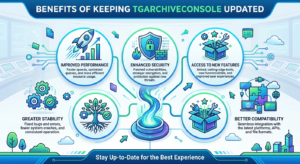
Updating software may seem like a routine task, but it plays a major role in ensuring reliability, security, and long-term usability. Once you understand how to update TGArchiveConsole, making updates part of your regular maintenance routine can save time and prevent many common issues.
Improved Performance
New releases often include optimizations that make TGArchiveConsole faster and more efficient. You may notice quicker startup times, smoother command execution, and better resource management after installing the latest version.
Enhanced Security
Software developers regularly release security patches to address newly discovered vulnerabilities. Staying current with updates helps reduce potential risks and keeps your system better protected.
Greater Stability
Bug fixes included in updates can eliminate crashes, unexpected errors, and compatibility problems. A stable application allows you to work more confidently without interruptions.
Access to New Features
Updates frequently introduce new functionality, improved commands, and usability enhancements. By keeping TGArchiveConsole up to date, you can take advantage of the latest improvements without needing to reinstall the application from scratch.
Better Compatibility
Operating systems and supporting software evolve over time. Regular updates help ensure TGArchiveConsole remains compatible with newer environments, reducing the likelihood of installation or runtime issues.
TGArchiveConsole Update Checklist
Before considering the update complete, use this checklist to confirm every important step has been covered:
- Checked the current installed version
- Backed up important files and configuration settings
- Downloaded the latest version from the official source
- Verified the integrity of the downloaded files (if available)
- Installed the update successfully
- Restarted the application or system
- Confirmed the updated version number
- Tested key functions to ensure everything works correctly
Final Verdict
Learning how to update TGArchiveConsole is an essential part of maintaining a secure, stable, and efficient workflow. By preparing your system, backing up important files, installing updates from trusted sources, and verifying the installation afterward, you can minimize the risk of errors and enjoy the latest improvements with confidence.
Remember that software updates are more than just feature releases—they often include critical security patches, performance enhancements, and compatibility fixes that help keep your tools running smoothly over time.
FAQs About How to Update TGArchiveConsole
Q1: How do I know if TGArchiveConsole needs an update?
Ans: Compare your installed version with the latest version available from the official project source. If a newer release exists, it’s generally a good idea to update after reviewing the release notes.
Q2: Is it safe to update TGArchiveConsole?
Ans: Yes. Updating is typically safe when you download the software from the official source, create a backup beforehand, and follow the recommended installation instructions.
Q3: Will updating TGArchiveConsole delete my files?
Ans: In most cases, no. Updates are designed to preserve your existing data and settings. However, creating a backup before updating is always recommended in case something unexpected occurs.
Q4: What should I do if the update fails?
Ans: Verify that you downloaded the correct version, check your system requirements, ensure you have sufficient permissions, and restart the installation. If the issue persists, review the official documentation or support resources.
Q5: How often should I update TGArchiveConsole?
Ans: It’s best to install updates whenever stable releases become available, especially those containing security fixes, bug patches, or important compatibility improvements.
Q6: Can I return to an older version after updating?
Ans: If the project provides previous releases and you’ve backed up your configuration, you may be able to reinstall an earlier version. Always check compatibility before rolling back.
Q7: Do I need administrator permissions to update TGArchiveConsole?
Ans: Depending on your operating system and installation method, administrator or elevated permissions may be required to replace application files or modify system directories.